Junior Wonder® is a practical expression of the ideas being explored through the Deliberate Wonder® Framework.
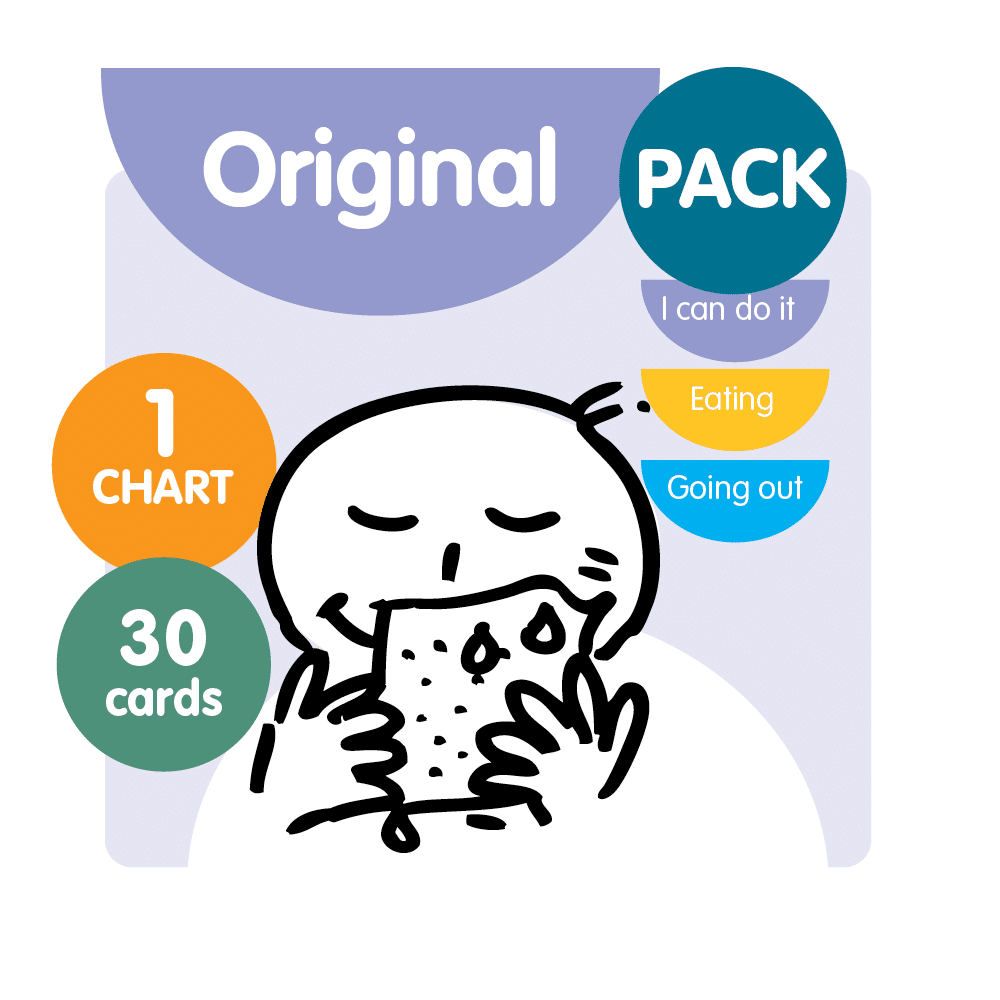
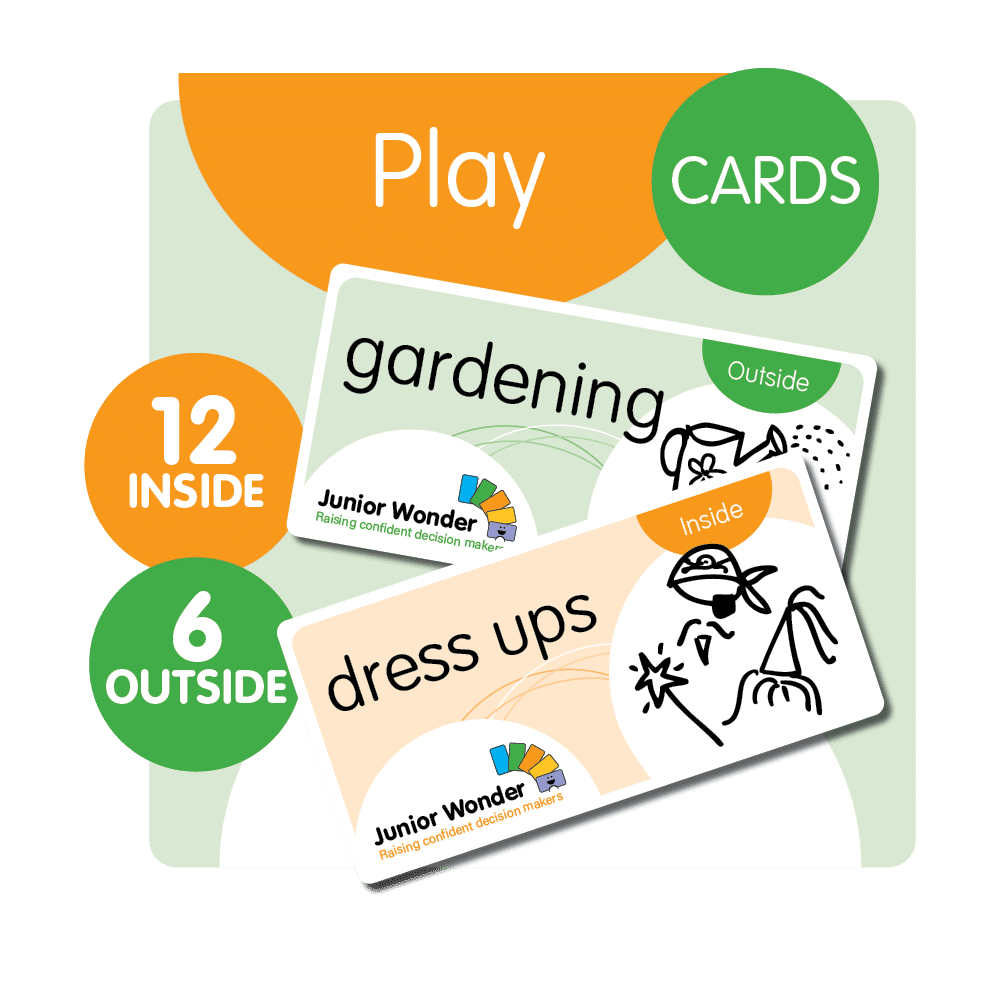
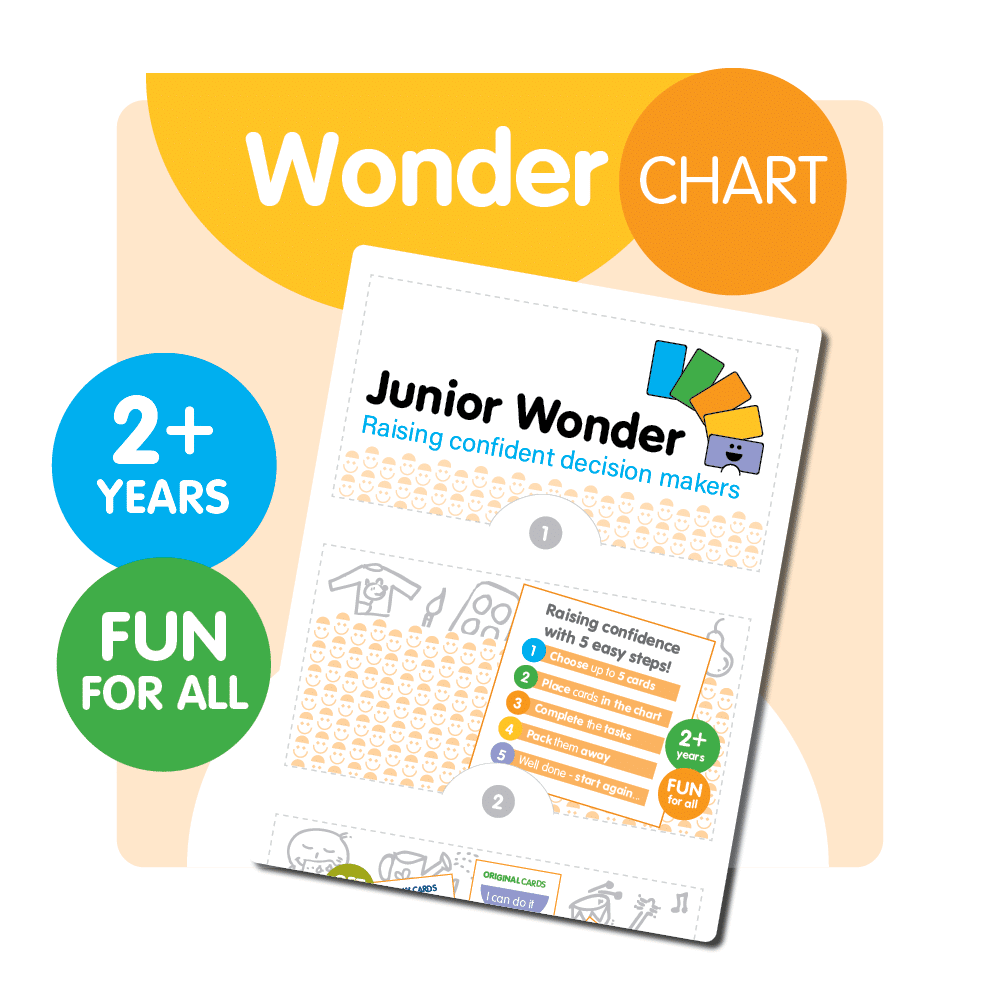
It is an illustrated chart-and-card resource that invites children to make choices, shape plans and take part in everyday experiences. Its development brings a long-standing interest in hope, agency and learning into something children and educators can explore together.
Children are naturally curious.
What happens when we make more room for their choices?
Junior Wonder® invites children to notice what interests them, explore possibilities, make choices and revisit their plans. Some moments are independent; others are shared with an adult or another child. Each offers a way to participate.
Designed in Australia with children’s participation and educators’ everyday practice in mind. Made in Australia.
Small choices can open up meaningful conversations.
Junior Wonder® is entering a period of educator feedback and practical evaluation. I am interested in how a visual resource might make choices more visible, help children contribute to shared plans and fit into the rhythms of early learning settings. The next stage is to listen, observe and refine.
From hope to participation.
The Deliberate Wonder® Framework moves through Hope, Notice, Wonder, Create, Grow and Know. Junior Wonder® does not ask children to learn these six stages. Instead, it offers a practical setting in which some of the underlying ideas—possibility, choice, participation and reflection—can be explored. The relationship is a design proposition, and one I want to keep learning from.
One child, a few children, or a group.
Educator guidance is being developed around three ways to use the resource:
My Wonder for individual planning
Our Wonder for shared planning with two or three children
Wonder Together for larger-group participation.
Learning together
I warmly welcome conversations with educators and learning communities interested in exploring Junior Wonder in practice. Pilot enquiries, observations and thoughtful feedback can help test assumptions, identify what is useful and show what needs to change.
Curious to see the resource?